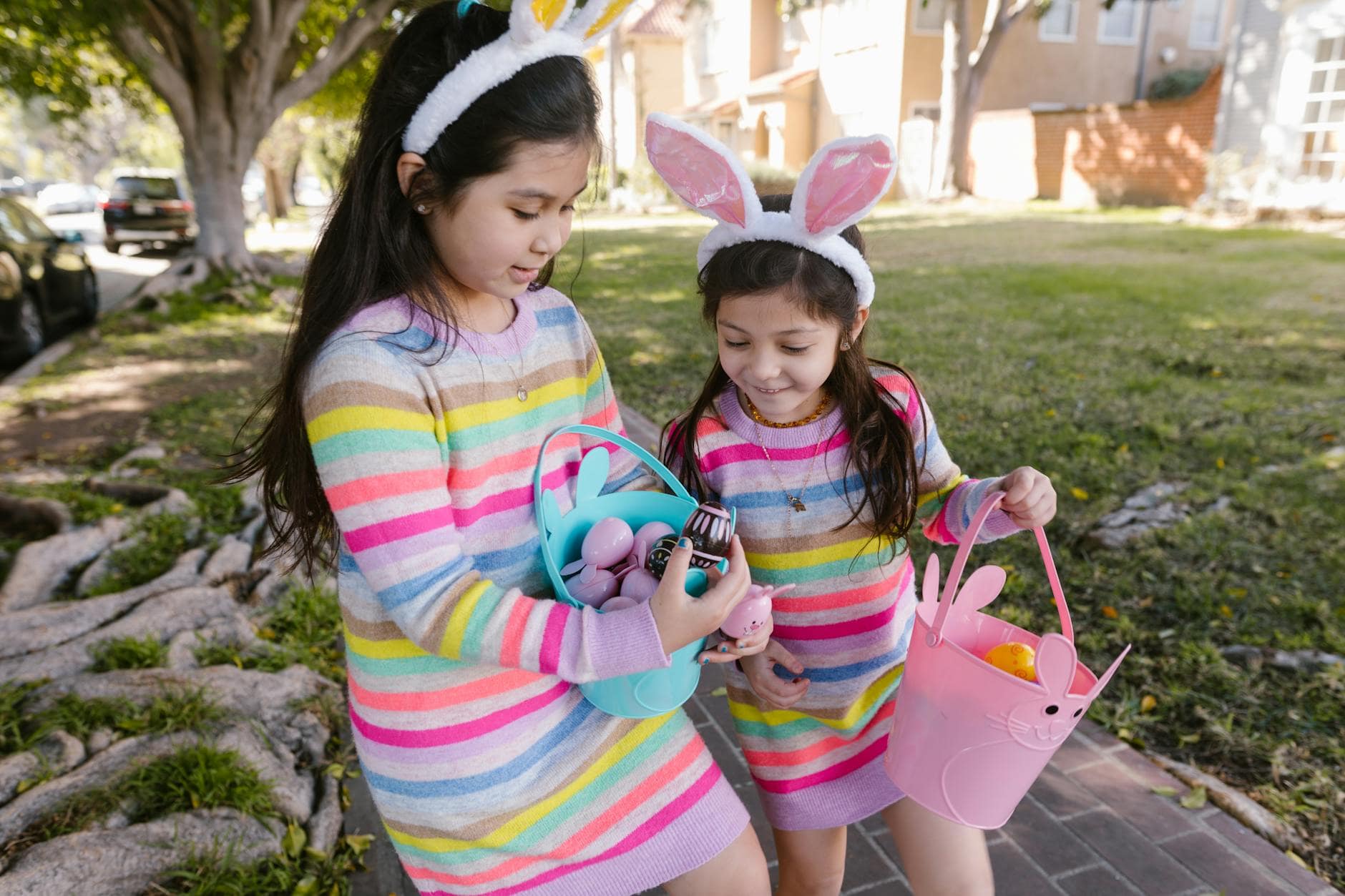
Creative Easter Egg Hunt with Nature Scavenger Hunts.

As springtime blooms and Easter approaches, families everywhere are gearing up for the time-honored tradition of Easter egg hunts. While the classic version of the hunt is always fun, why not add a twist this year with a nature scavenger hunt? This creative spin not only keeps the excitement alive but also encourages kids to appreciate and explore the great outdoors.
Table of contents
Estimated reading time: 4 minutes
Why Combine Easter Egg Hunts with Nature Scavenger Hunts?
Easter egg hunts are cherished for their thrill and anticipation. The thrill of discovering colorful eggs hidden in the yard or park is unparalleled. However, combining this activity with a nature scavenger hunt adds an educational element that instills a love for nature and illustrates the beauty of the environment surrounding us. Especially if you leave places that are warm early in spring, it’s a fantastic way for children to spend quality time outside, observing and interacting with their natural surroundings in a playful, engaging way. Plus, it promotes physical activity and teamwork!
How to Set It Up?
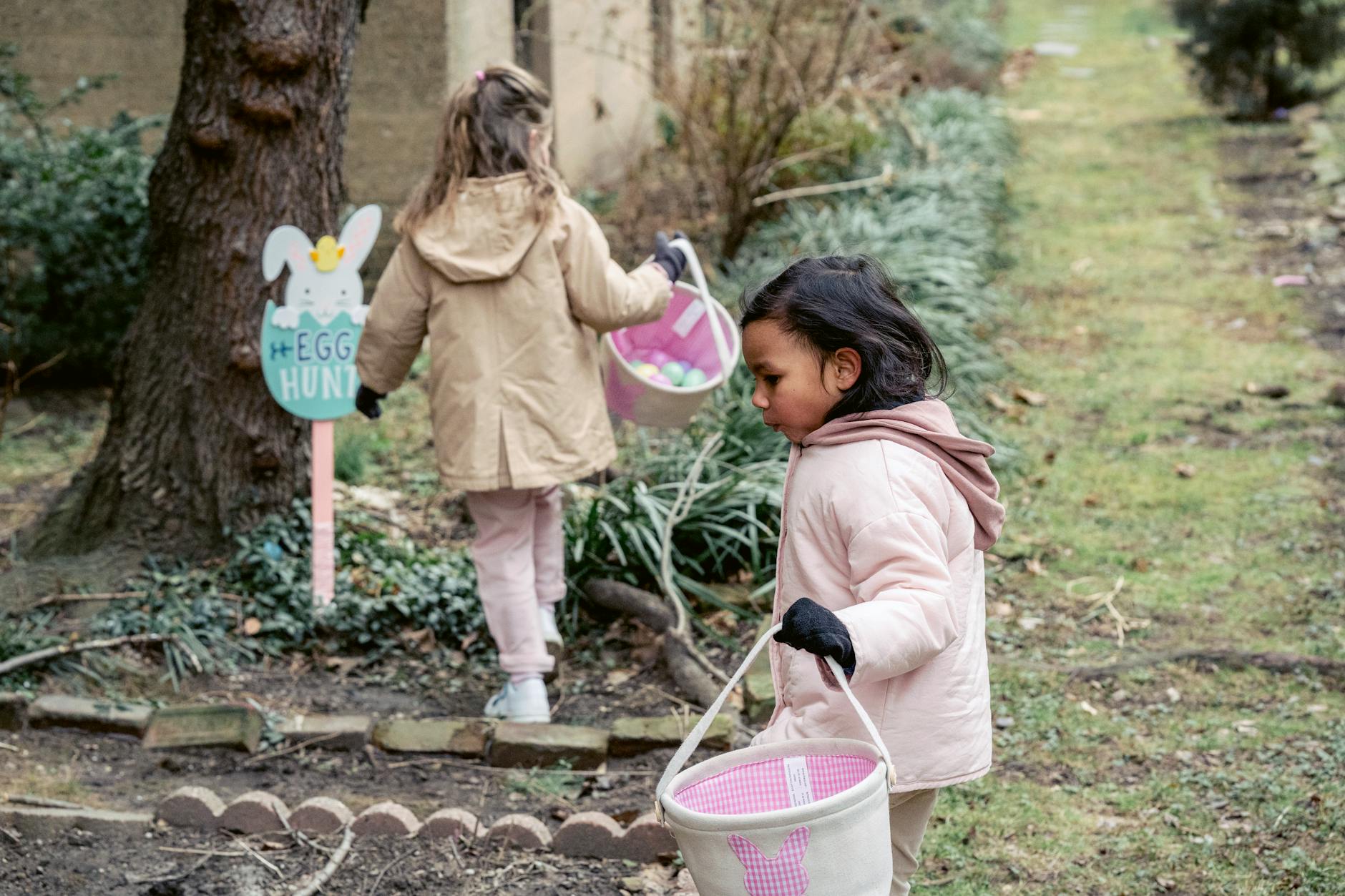
1. Choose a Location
Find a suitable outdoor area, such as a local park, your backyard, a school playground, or even a nearby reserve. The area should have enough space and diversity for both eggs and nature items.
2. Create a List
Prepare a scavenger hunt list that includes items commonly found in your area, such as:
– A pine cone
– A real bird’s feather
– A specific flower (like a daisy or dandelion)
– A smooth rock
– An insect or bug (like ants or ladybugs)
You can mix in some eggs, whether they’re plastic ones filled with small treats or decorated ones that blend in nicely with the environment.
3. Eggs with a Twist
Instead of filling all the eggs with candy, consider putting in clues about the nature items they need to find! For example, an egg could contain a description of a type of leaf the kids must search for, or a fun fact about a local bird.
4. Set Ground Rules

First things first, explain the rules to the kids before the hunt begins. This might include respecting nature (such as not picking flowers)rs, being gentle with wildlife, working as a team, and being mindful of their surroundings.
5. Keep it Fun
Add fun elements, like a nature-themed playlist or outdoor games, between the hunts. Set up a reward station at the end where kids can redeem their finds for fun prizes or treats.

Tips for Success
-Age Appropriateness: Make sure the scavenger list matches the participants’ age group. Younger children may enjoy more colorful, easily identifiable items, while older kids can tackle more challenging scavenger hunts; the easiest or hardest ones can make the game boring.
– Documentation: Encourage children to take pictures of their finds or journal some fun facts about each item. This not only makes the hunt more memorable but also adds a creative aspect that ties in with learning.
Conclusion
By combining Easter egg hunts with nature scavenger hunts, we can create a vibrant, engaging experience that fosters curiosity and appreciation for the environment. Not only will children thrill in the hunt for colorful eggs and various nature items, but they will also walk away with newfound knowledge and memories that last a lifetime. This Easter, let’s swap cutesy candies for a scavenger adventure that brings families closer to nature while keeping the spirit of the hunt alive! Happy hunting!
Share this content:





5 comments