
10 ways to stay healthy during pregnancy

Well, getting pregnant and childbirth are two of life’s greatest miracles for every woman. If you’re pregnant or thinking about getting pregnant, you must already know some of the basic pregnancy advice about taking care of yourself and the baby, don’t smoke, don’t drink, and so on… And make sure you take this advice into practice because you’re now or will be taking care of two human beings, you and your unborn baby.
The following tips will help you make smart lifestyle choices to support a healthy pregnancy and baby.
Table of contents
- 1. Start prenatal health care early
- 2. How will your first visit be like?
- 3. The Prenatal Package
- 4. Make sure you open the package
- 5. Should you hide some questions during your visit?
- 6. Regulate your prenatal visit
- 7. Take your prenatal vitamin regularly as prescribed
- 8. Healthy Eating During Pregnancy
- 9. Stay active, but don’t overdo it
- 10. Losing Weight During Pregnancy
Estimated reading time: 8 minutes
This information is for informational purposes only and should not substitute the advice from your healthcare professional. Please read our full Disclaimer for more information. Also, this post may contain affiliate links, which means we may receive a commission if you click and make a purchase at no additional cost to you.
1. Start prenatal health care early
The first thing you must do is schedule your first prenatal appointment with an Obstetrician or Midwife as soon as you get a positive pregnancy test. Your OB/GYN or Midwife will give you the necessary information and advice about how to stay healthy during pregnancy, including how to recognize signs of complications and when to seek medical help, so that you can be prepared for any potential issues. This will also help you feel more confident and in control of your pregnancy journey.
2. How will your first visit be like?
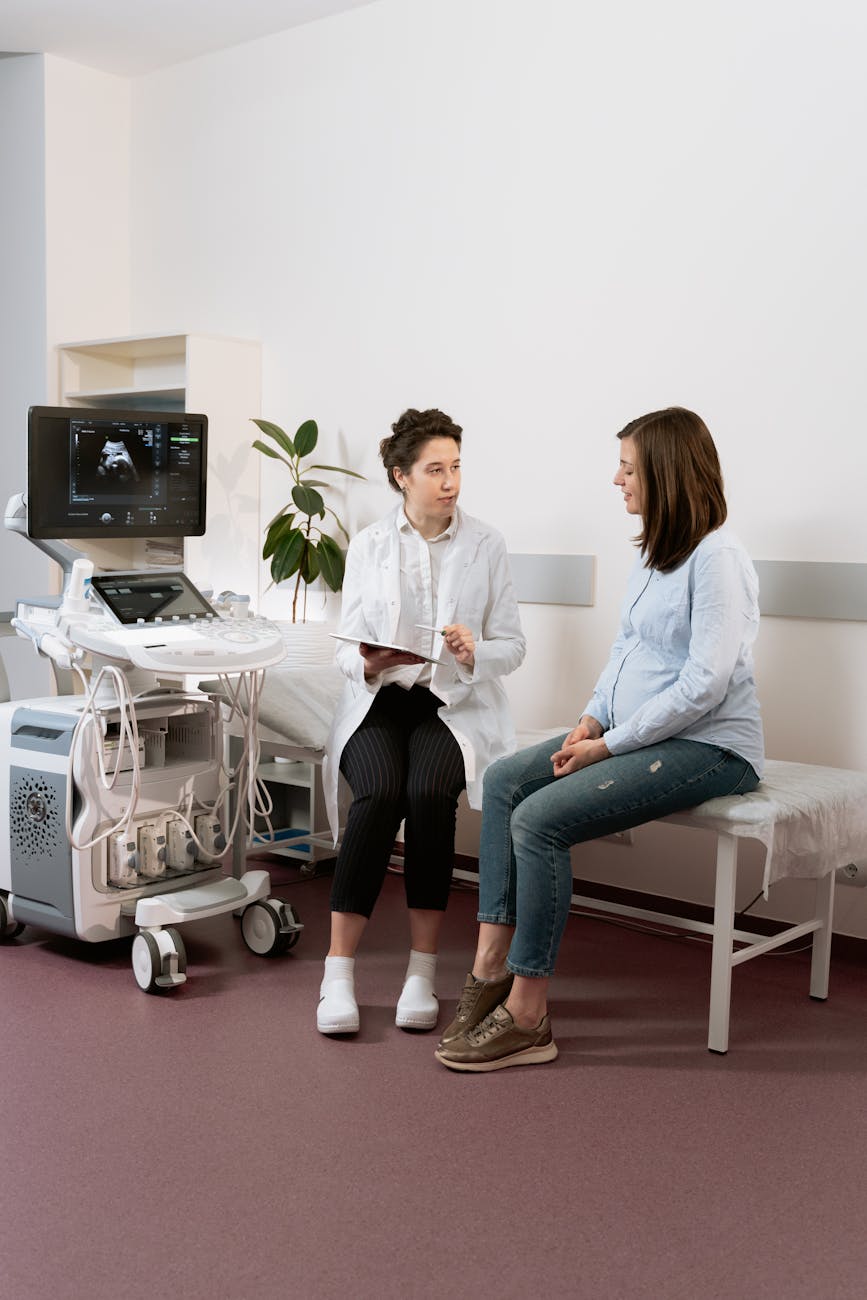
Your first visit will probably be the longest one because your OB/GYN or midwife would likely screen you for potential medical issues that would affect your baby or you during pregnancy. There will be a lot of questions and answers; feel free to share any information you think may help your OB/GYN or midwife provide you with the quality support you need while you’re expecting your baby.
3. The Prenatal Package
Your midwife or obstetrician will probably give you a package to take home. This package includes goodies about pregnancy. And she will discuss some information with you at your first prenatal visit, including other important topics such as prenatal benefits you are eligible for. She may also include information about parenting groups in your area that could be helpful, as well as guidelines on healthy eating and other services available only to expectant moms in your city.
4. Make sure you open the package
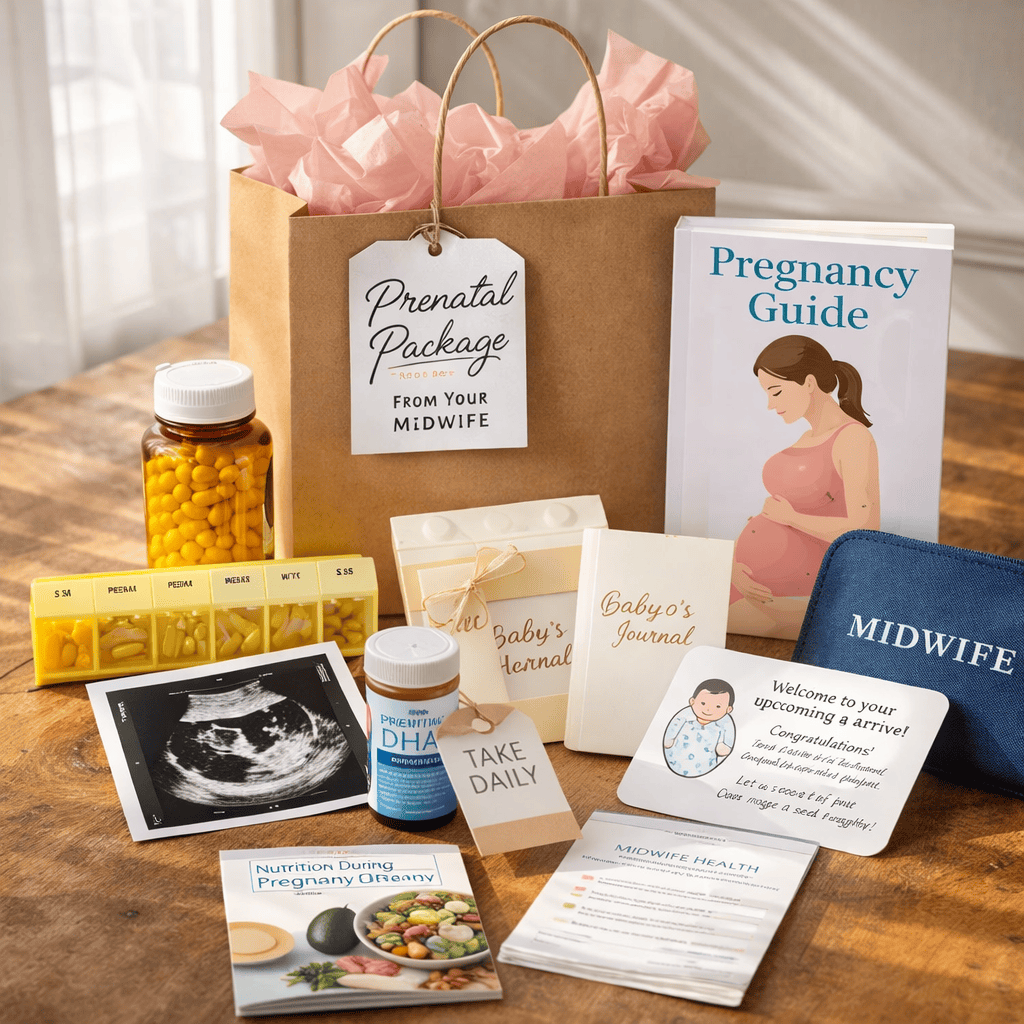
Do not ignore the package your health care provider will give you during your first visit. You might miss out on some important information. I remember on my third pregnancy, I didn’t know what was inside that mysterious package, and I didn’t mind opening it when I got home. After eight months of pregnancy, I came across that package while I was cleaning my room. I opened it and went through the information. Guess what I found? I found that I was eligible for $170 in monthly pregnancy benefits.
The payment ends once you give birth. Unfortunately, I was already eight months pregnant, and the process of applying to the program sometimes takes longer to confirm my eligibility. So, I didn’t get the benefits. My point here is that don’t be like me, you might miss out on something bigger than what I did. Give yourself a little time from your busy days to open the package as soon as you get home and read through the information inside.
5. Should you hide some questions during your visit?
The answer is no. Asking questions and being honest during your visit can help you feel more secure and supported about your health and your baby’s well-being.
Believe it or not, doctors are there to help you; therefore, you must be ready to provide them with answers to all the questions they may ask you, including how you’re managing symptoms like morning sickness or fatigue. Also, it’s best to jot down all the questions you may have beforehand so you can ask them during your appointment, ensuring you get the support you need for common pregnancy discomforts.
Telling your OB/GYN or midwife the truth about your health, whether you’re on medication, and how many doses you take a day is the key to a healthy baby. And telling them that you have a smoking and drinking problem will help them determine what type of treatment will be safe for both you and your baby. Remember, this is about your and your baby’s health. Make sure you get all the answers from your health care provider to help you maintain a healthy pregnancy and a healthy baby.
6. Regulate your prenatal visit
Your health care provider will give you the next appointment date and time. Make sure you attend this appointment as well. If you can’t make it to the appointment, call your doctor’s office to reschedule 24 hours in advance. Do not call your OB/GYN or midwife’s office to reschedule your appointment within 1 hour of your appointment time. Of course, doing so is not a crime, but it may cause problems for your health care providers. Regular prenatal visits are very important during any pregnancy. However, the brief office visits may seem mundane, but they can help you and your baby stay healthy.
Remember, your co-operation is very important in this. It will allow your doctor to monitor every step of your pregnancy and identify and address any complications during your regular visits. Therefore, rescheduling your appointment all the time is not a good idea and may put you and your unborn baby at risk.
7. Take your prenatal vitamin regularly as prescribed
The first few weeks of your pregnancy are very crucial for your baby’s development. Make sure you take the prenatal vitamins regularly for your baby’s health, because it takes a lot of vitamins to grow a baby. That’s why prenatal vitamins are important. It gives you extra folic acid, calcium, and iron to help your baby’s brain, teeth, and blood develop well. Consult your health care provider if you can’t take the prenatal vitamin. Your OB/GYN or midwife will find some alternative ways to serve you well. Or they may give you a different type of vitamin.
Also, taking prenatal vitamins before getting pregnant is important because it will help you experience a healthy pregnancy and will reduce the likelihood of neural tube defects, and reduce the risk of miscarriage, low birth weight, premature birth, and other complications.
Note: Although you didn’t take your prenatal vitamins before getting pregnant, you will still have a healthy baby as long as you take them regularly.
8. Healthy Eating During Pregnancy
Of course, you can eat the same balanced diet as anyone else, but you should aim to get most of your calories from vegetables and fruits, whole grains, lean proteins, and healthy fats. The drastic changes in your body during pregnancy may make you more vulnerable to food-borne toxins. So, play it safe and avoid foods like raw cookie dough, undercooked meat, and fish that is high in mercury.
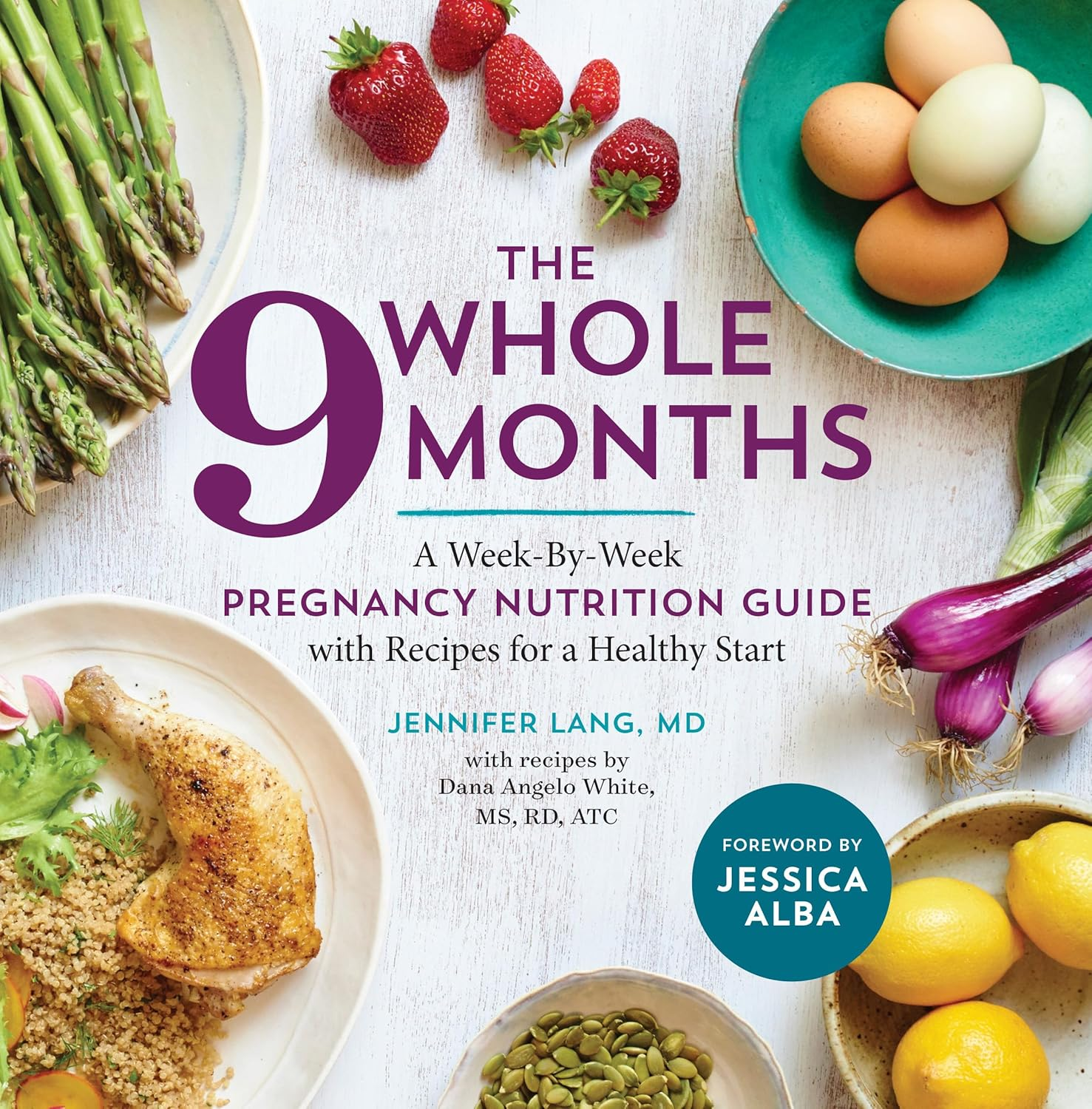
Experts suggest that the best way for a pregnant woman to get all the essential nutrients and minerals is through a healthy diet. So maintaining a healthy diet during this amazing journey is important for you and your baby. It will help prevent birth complications and promote healthy development. It also helps you to get back in shape after delivery. Sometimes, your doctor will assess your individual needs and provide you with a guideline tailored to them.
9. Stay active, but don’t overdo it
Engaging in physical activities can bring many positive effects during pregnancy, helping you feel more energized and prepared for motherhood, provided you have no complications like placenta issues or preeclampsia. Some benefits you will get from exercising are:
- Lower your blood pressure
- Reduce excessive weight gain
- Improves your brain health
- Sleep well at night
- Boost your mood
- Ease constipation
- Increase the amount of oxygen
- Getting your body ready for labor
If you’re healthy, the risks of moderate activity during pregnancy are very low. Health care providers recommend about 30 minutes of moderate exercise daily, such as walking or prenatal exercise classes conducted under supervision.
However, it’s a good idea to discuss your exercise level with your OB/GYN or midwife on your early prenatal visit. Especially if you’re involved in vigorous physical activities, consult your health care provider about the intensity of your exercise. They will determine which level is best for you based on your individual needs.
10. Losing Weight During Pregnancy
Unless you start early, if you’re worried about your weight before getting pregnant, you may want to start some exercise before you conceive. It will also increase your chances of fertility and reduce the risk of conditions like gestational diabetes. However, it’s less likely for your OB/GYN or midwife to recommend you lose weight during pregnancy. Instead, she might encourage you to focus on getting enough nutrients and exercise to keep yourself and your baby healthy.
My advice to you is to be patient and plan your diet after delivering your baby. Avoid talking too much about your weight gain while you’re pregnant, focus on having a healthy baby, and follow your doctor’s recommendations.
Final thoughts
Follow your doctor’s recommendations for prenatal visits and discuss your concerns about weight gain and other issues. A healthy diet and proper medical care will increase your chances of a safe pregnancy and a happy baby.
Share this content:





2 comments