
6 Keys to a Successful Home Declutter

We often think of decluttering as a chore, a weekend lost to cardboard boxes and dust motes. But at Daily Living Mag, we view it differently. Decluttering isn’t just about cleaning; it is the art of the edit. Just as a curator selects only the finest pieces for an exhibition, “refining” your home means removing the “visual noise.” This makes room for the things that truly elevate your daily experience.
Estimated reading time: 4 minutes
When your environment is cluttered, your mind often follows suit. Your home must serve as a sanctuary. It should not function as a storage unit. This helps achieve that sense of refined wellness we strive for.
Furthermore, decluttering isn’t about achieving a sterile, empty house. It’s about ensuring the things you own serve a purpose. They should bring you genuine joy. Here is a no-nonsense, realistic guide to finally clearing the chaos.
6 Keys to a Successful Home Declutter
1. The Micro-Win Strategy
The biggest mistake many people, including myself, make is trying to do the whole house in one weekend. By noon, you’re surrounded by piles of clothes, shoe boxes, and so on…, and everything looks worse than when you started. Last time I tried this strategy, I wasn’t very successful and ended up working up sick on Monday. Trust me, you don’t want to get yourself there.
The Fix: Start with one drawer, one shelf, or one corner. Spend at least 20 minutes and finish it completely. That hit of dopamine from seeing a clean surface will fuel you to tackle the next small area.
2. Use the Four-Box Method
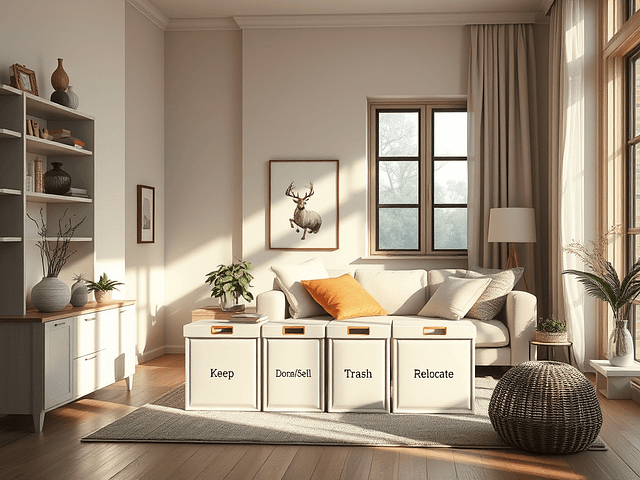
Don’t just move clutter from the coffee table to the dining table. When you tackle an area, have four distinct zones (or boxes/bags) ready:
- Keep: Items that have a specific home and are used regularly.
- Donate/Sell: Items in good condition that you simply don’t use.
- Trash/Recycle: The broken, the expired, and the “I might fix this one day” items that you’ve had for three or more years.
- Relocate: Things that belong in a different room but have been moved to the living room or kitchen.
3. Apply the 90/90 Rule
If you’re struggling with “just in case” items, ask yourself two questions:
- Have you used this in the last 90 days?
- Will you use this in the next 90 days?
If the answer to both is no, it’s taking up valuable real estate in your life. These are the questions I often ask my husband when he is struggling to decide which items to keep or discard. You’ve got to be ruthless sometimes, especially with kitchen gadgets and clothes. If you haven’t used it through a full season change, you likely won’t use it at all.
4. The Sunk Cost Reality Check
We often keep things because “they were expensive.” But here’s the hard truth: The money is already gone. Keeping an item you don’t like or use doesn’t get your money back; it just costs you space and mental clarity. Give yourself permission to let go of the guilt along with the object.
5. Close the Loop Immediately
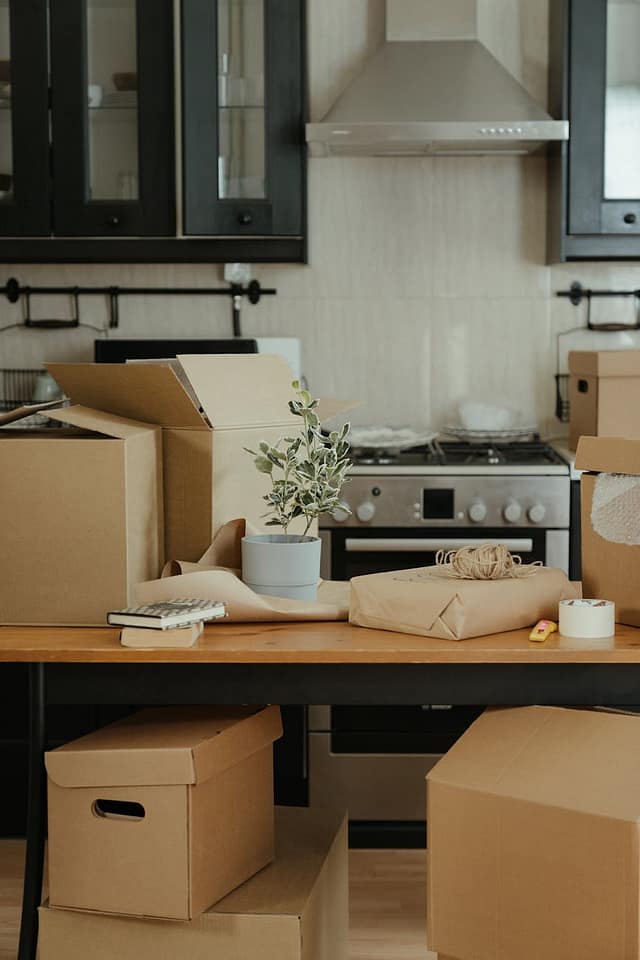
A decluttering session isn’t over until the Donate bag is in your car and the Trash bag is in the bin. If you leave the donate pile sitting in your hallway, basement, or garage, it will slowly seep back into your living space. I have a confession about this, but I am not going to let the cat out of the bag here in this post.
6. Edit by Category, Not by Room
It’s easy to get overwhelmed when looking at an entire room. Instead, gather every item of a specific category, books, linens, or skincare, into one place. Seeing the sheer volume of extras you own provides a necessary reality check. If you have 12 white serving platters but only use 2, it’s time to pass the others along.
Pro Tip:
Schedule a donation pickup for the day after your decluttering session. It creates a deadline and ensures the stuff actually leaves your house.
The goal isn’t perfection; it’s a home that breathes. Start small, stay consistent, and remember that your home is a living space, not a storage unit.
Share this content:


10 comments