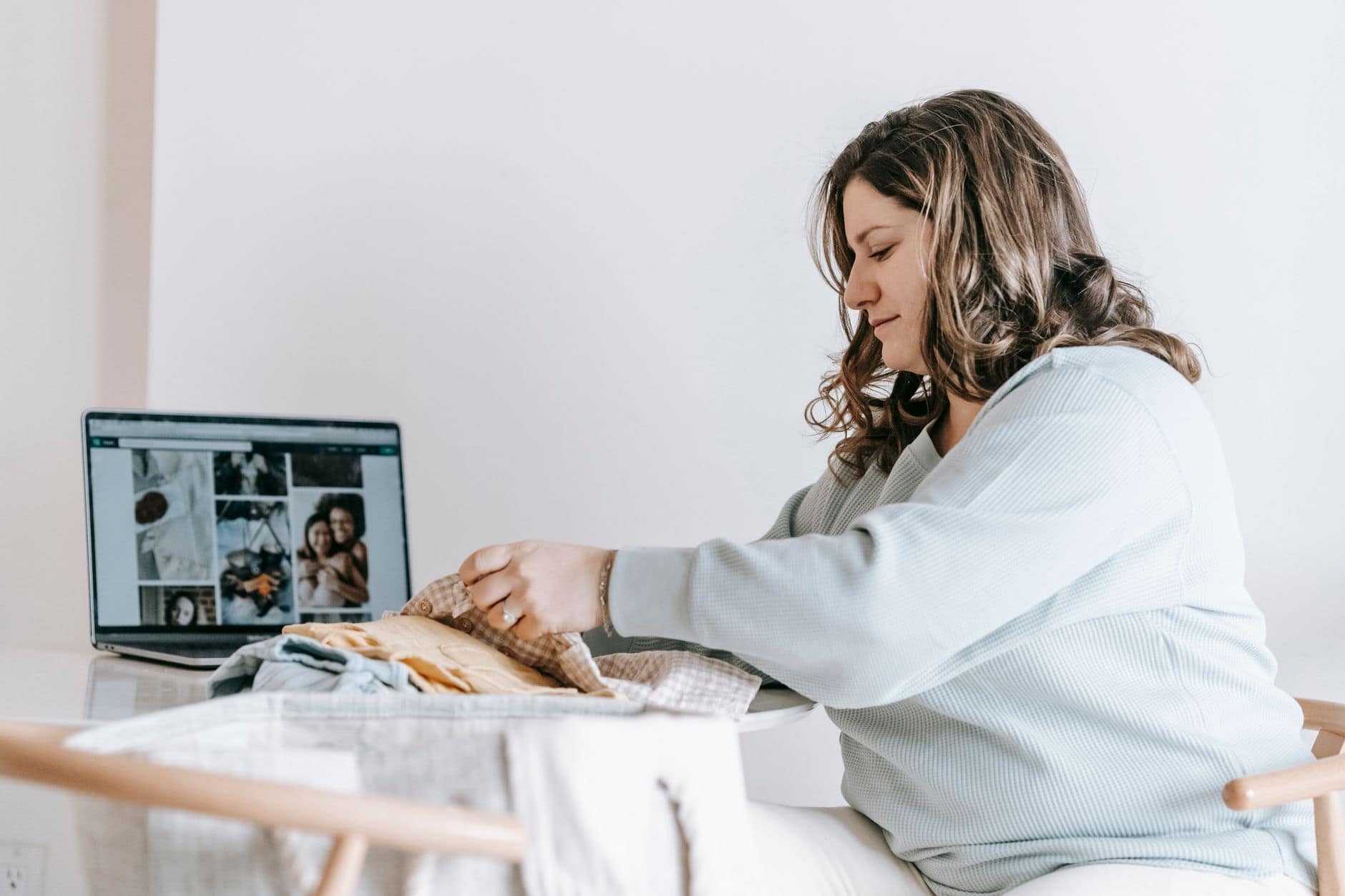
The Ultimate Maternity Bag Checklist: Everything You Actually Need for Labour and Delivery

Estimated reading time: 8 minutes
The time is here, and you’re super excited to meet your little bundle of joy. But this excitement also comes with a long list of things to remember. From getting the nursery ready to tracking appointments and waiting for the due date, packing the hospital bag adds to the list.
Want to hear some good news? You don’t need to pack your entire home.
Every baby has its own schedule, and only 1 in 20 babies arrive exactly on their due date. It’s always a good idea to do some baby due-date prep a few weeks early so you can relax later. Packing early saves you from the hassle of forgetting and panic-buying at the last moment, when all you should be doing is resting (probably more than you think). And if you’re not sure where to start, mommies at Daily Living Magazine have got your back.
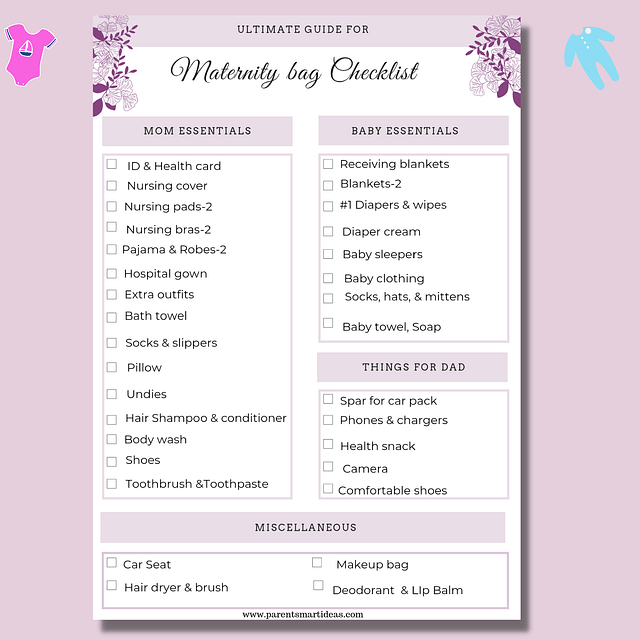
To make your hospital bag one less thing to worry about, download our free printable checklist and pack with confidence.
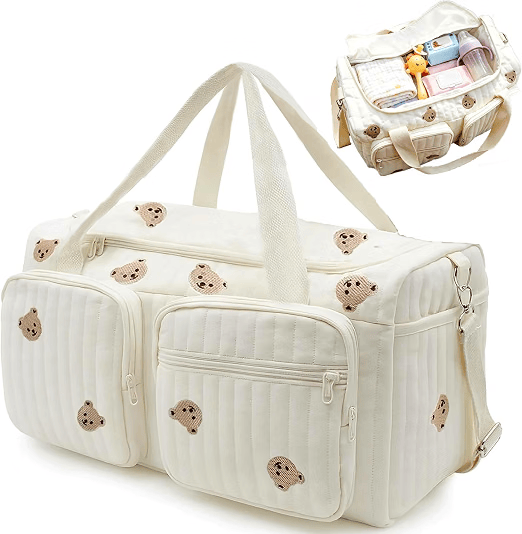
When to start packing the hospital bag?
There isn’t a single right day to pack the bag, but 32 to 35 weeks is a reasonable target. This window gives you ample time to think and make adjustments while keeping the last-minute rush at bay.
Before you start, check with your hospital or birth centre about what they provide because supplies can also vary between facilities. This way, you won’t pack and carry what is already available.
Create and label separate sections for baby, mom, your birth partner, and miscellaneous items. This way, your partner won’t get confused digging through the entire bag. And of course, sorting helps when you suddenly need something.
Make sure your important documents, your phone, charger, and any regular medications are within easy reach.
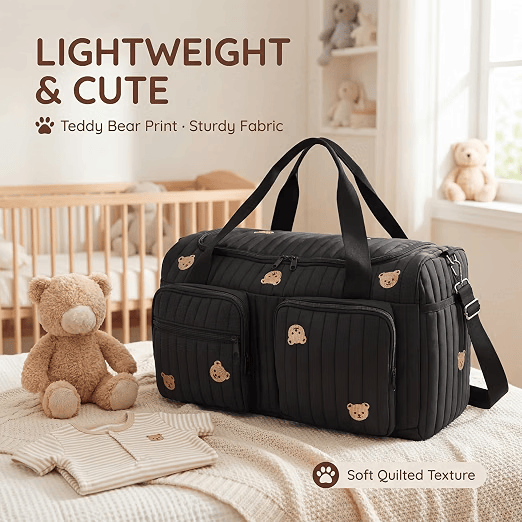
Hospital bag essentials for moms
Every mom-to-be has a different pregnancy experience. Some feel nauseous and tired. Some have cramps and restless nights. Approaching labour can be overwhelming too, but with the right guidance, things can feel easier.
Therefore, we have created our maternity bag checklist with all the essentials you need to help take some of the burden off your shoulders.
Here are the essentials from Daily Living Magazine’s maternity bag checklist, focusing on comfort, recovery, and personal care.
- ID and health card: Bring both your government-issued photo ID and your health card. You’ll need these for hospital check-in, registration, and accessing your medical records throughout your stay.
- Nursing cover: This provides optional privacy during breastfeeding sessions, allowing you to feed your baby comfortably in shared spaces or when visitors are present.
- Nursing pads: Essential for absorbing any breast milk leakage between feeds, keeping you dry and comfortable, and protecting your clothing from stains.
- Nursing bras: Choose soft, supportive bras designed for easy access to make breastfeeding simpler and more comfortable throughout your hospital stay.
- Pyjamas and robes: Pack loose-fitting, soft pyjamas and a cozy robe. These make it easier to breastfeed and help you feel relaxed and at ease during your recovery.
- Hospital gown: Hospitals usually provide gowns for labour and medical exams, but bringing your own can offer extra comfort and familiarity during procedures and the birthing process.
- Extra outfits: Pack a couple of changes of comfortable clothes. These are especially helpful after delivery, in case your clothes get soiled or you want to feel fresh during your stay.
- Bath towel: Some hospitals provide towels, but if you prefer the comfort and softness of your own, be sure to pack one for your post-birth showers.
- Socks and slippers: Bring a few pairs of warm socks and slip-on slippers with good grip. These will keep your feet warm and make it safer and more comfortable to walk around the hospital.
- Pillow: If you have a favourite pillow, bring it along for extra comfort and better rest. Hospital pillows can be flat or uncomfortable, so having your own can help you sleep better.
- Undies: Pack several pairs of soft, breathable underwear. High-waisted styles can be especially comfortable after delivery and accommodate maternity pads if needed.
- Shampoo and conditioner: Travel-sized bottles are best for saving space. Washing your hair can help you feel refreshed and more like yourself after delivery.
- Body wash: Bring a gentle, soothing body wash for your first post-birth shower. A familiar scent can be comforting and make you feel clean and relaxed.
- Shoes: Bring comfortable, slip-on shoes that are easy to put on and take off, especially if your feet swell after delivery. Non-slip soles are a plus for safety.
- Toothbrush and toothpaste: Don’t forget these basics for maintaining oral hygiene during your hospital stay. A fresh mouth can help you feel more comfortable and ready for visitors.
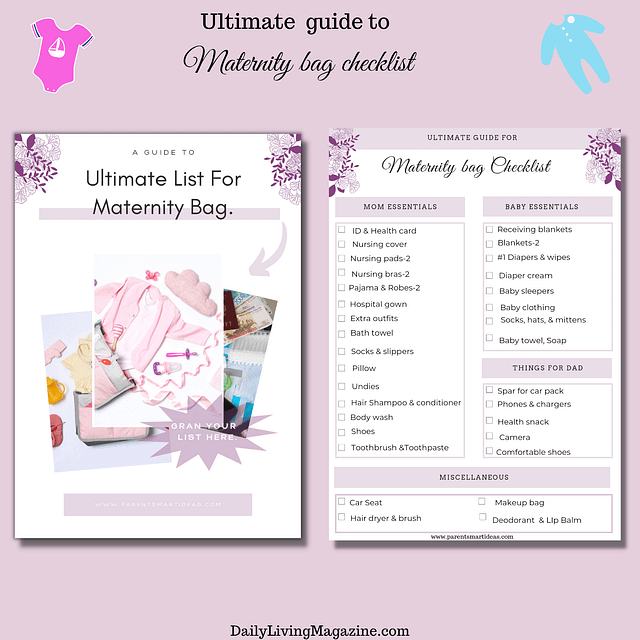
If your hospital’s policies allow, pack your phone charger, maternity pads, regular medications, a water bottle, and snacks. These items are also recommended in hospital-bag guidance.
Hospital bag essentials for baby
Your newborn may be tiny, but their packing list still deserves plenty of space.
Our hospital bag essentials for mom and baby checklist includes:
- Receiving blankets: Soft, lightweight blankets are perfect for wrapping your newborn, providing them with warmth and a sense of security during cuddles, naps, or feeding times.
- Two blankets: Bring two blankets-one lighter and one heavier-so you can adjust to the hospital temperature or the weather outside, keeping your baby cozy at all times.
- Diapers and wipes: Pack enough newborn-sized diapers and gentle, unscented wipes, as babies will need frequent changes to stay clean and comfortable during their hospital stay.
- Diaper cream: Bring a small tube of baby-safe diaper cream to help prevent diaper rash and soothe sensitive skin. Always consult your healthcare provider before first use.
- Baby sleepers: Choose a few soft, easy-to-fasten sleepers to keep your newborn snug and simplify diaper changes, especially during nighttime feeds.
- Baby clothing: Pack a few sets of clothing in different sizes, as newborns can have unexpected messes or growth spurts. Opt for soft fabrics and simple designs for easy changes.
- Socks, hats and mittens: These tiny accessories help regulate your baby’s temperature, protect against scratches, and offer extra warmth-especially if the hospital is cool or during colder months.
- Baby towel and soap: If your hospital asks you to bring your own, choose a soft, hooded baby towel for gentle drying and a mild, fragrance-free soap suitable for a newborn’s sensitive skin.
What should your birth partner pack?
Your spouse or birth partner may not be the one giving birth, but they’ll be spending plenty of time at the hospital too.
A birth partner should pack:
- Spare change of clothes: If the stay lasts longer than expected.
- Phone and charger: For communication and timing contractions.
- Healthy snacks: Helpful if your birth partner gets hungry during a long stay.
- Camera: Optional for capturing those first family moments.
- Shoes: Comfortable enough for standing, walking, and moving around.
If needed, add their regular medications, toiletries, and drinks. Don’t forget to check the birth centre’s instructions before arrival. They might require you to bring money and payment details for parking.
The little extras that can make a big difference
The miscellaneous section of your maternity bag may seem least important, but you still need it.
You might also need to pack:
- Car seat: Essential for bringing your baby home safely.
- Makeup bag: Optional, but familiar products can help you feel refreshed.
- Hair dryer and brush: Useful for freshening up before leaving the hospital.
- Deodorant and lip balm: Small comforts that can make your stay more pleasant.
Don’t forget the car seat if you’re travelling home by car. For the baby’s safety, install a rear-facing car seat before the baby arrives rather than waiting until discharge day.
Conclusion
You don’t need to fill every spare corner of your bag. The goal of packing for labour and delivery is to have the things you are most likely to need, not everything you might want.
Before you finish your baby due date prep, check your hospital’s own list and remove anything they already provide. Place your bag somewhere easy to grab, and make sure your birth partner knows where everything is.
Remember that a hospital bag is there to make your experience easier. It isn’t a social media trend for a perfect pregnancy checklist you have to complete.
Pack the essentials. Add the comforts that matter to you. Then give yourself permission to stop worrying about the bag and enjoy those final days before meeting your baby.
Ready to start packing? Download our ultimate maternity guide and use the printable checklist to check off each item as you g
Share this content:



Leave a Reply