How to Let Go of Sentimental Clutter Without Guilt?

A home full of nostalgic items can stir up a lot of feelings. Maybe it’s your grandmother’s antique tea set, a pile of old birthday cards, or trophies from high school sports. These things mean more than clutter-they hold memories, shape who we are, and remind us of people we love. Letting them go can feel as if turning your back on the past. But if we keep things up only out of duty or guilt, our homes can start to feel heavy rather than peaceful. You don’t have to give up your memories to let go of things. It’s about making room for your life now while still honouring what came before.
Table of contents
- Understanding the Psychology of Emotional Attachment
- Shifting the Narrative From Loss to Curation
- Five Reflection Questions for Guiding Your Decisions
- Helpful Strategies for Releasing Keepsakes Without Guilt
- Create a Memory Book
- Pass Items Along to Appreciative Hands
- Honouring the Past as Living in the Present
Estimated reading time: 5 minutes
Research in the Journal of Environmental Psychology discovered that too many possessions can make a home less comfortable and reduce life satisfaction.
Understanding the Psychology of Emotional Attachment
It’s easier to deal with sentimental items when you understand why they matter to you. These things are connected to who we are, our memories, and our relationships. When you pick up a keepsake, it often brings back a person or a moment. But if you let too many of these items pile up, they can stop bringing happiness and start to feel overwhelming.
Shifting the Narrative From Loss to Curation
It’s tough to let things go because it can feel like losing something important. But instead of thinking about what you’re losing, try to see it as choosing the best parts of your collection.
Think about how museum curators work. They don’t show every item they have. Instead, they choose the most meaningful and well-kept pieces to tell a story. If you do the same with your keepsakes, it can help you look at them in a new way:
- Identifying the absolute highlight of a collection rather than keeping every piece.
- Transitioning items from hidden, dusty boxes into purposeful display pieces.
- Releasing items that trigger negative emotions, obligation, or regret.
You can honour a memory better by displaying three meaningful items than by storing thirty in a box where they’re never seen.
Five Reflection Questions for Guiding Your Decisions
When you go through keepsakes, simply asking, “Does this bring me joy?” might not be enough, since these items often bring up strong emotions. Asking yourself a few more specific questions can make it easier to decide what to keep.
- Does this item represent who I am today, or who I used to be? Holding onto items from an earlier phase of life can anchor a person to the past, making it difficult to embrace current goals and growth.
- Am I keeping this out of genuine love, or out of guilt? If an item is retained solely because someone spent money on it or passed it down, the primary motivation is obligation, not appreciation.
- If I lost this item in an emergency, would I actively miss it tomorrow? This question cuts through artificial attachment and highlights what really matters in daily life.
- Is keeping this item preventing me from using my living space functionally? Consider whether storing unexamined boxes is taking away valuable space needed for rest, hobbies, or family activities today.
- Can the memory be preserved without storing the physical object? Determining whether a high-resolution photograph or digital image could honour the memory just as effectively as the physical item opens up new possibilities for preservation.
Helpful Strategies for Releasing Keepsakes Without Guilt
Once the decision is made to let go of certain items, creating a strategy for their removal makes the physical departure smoother and less emotionally taxing.
Create a Memory Book
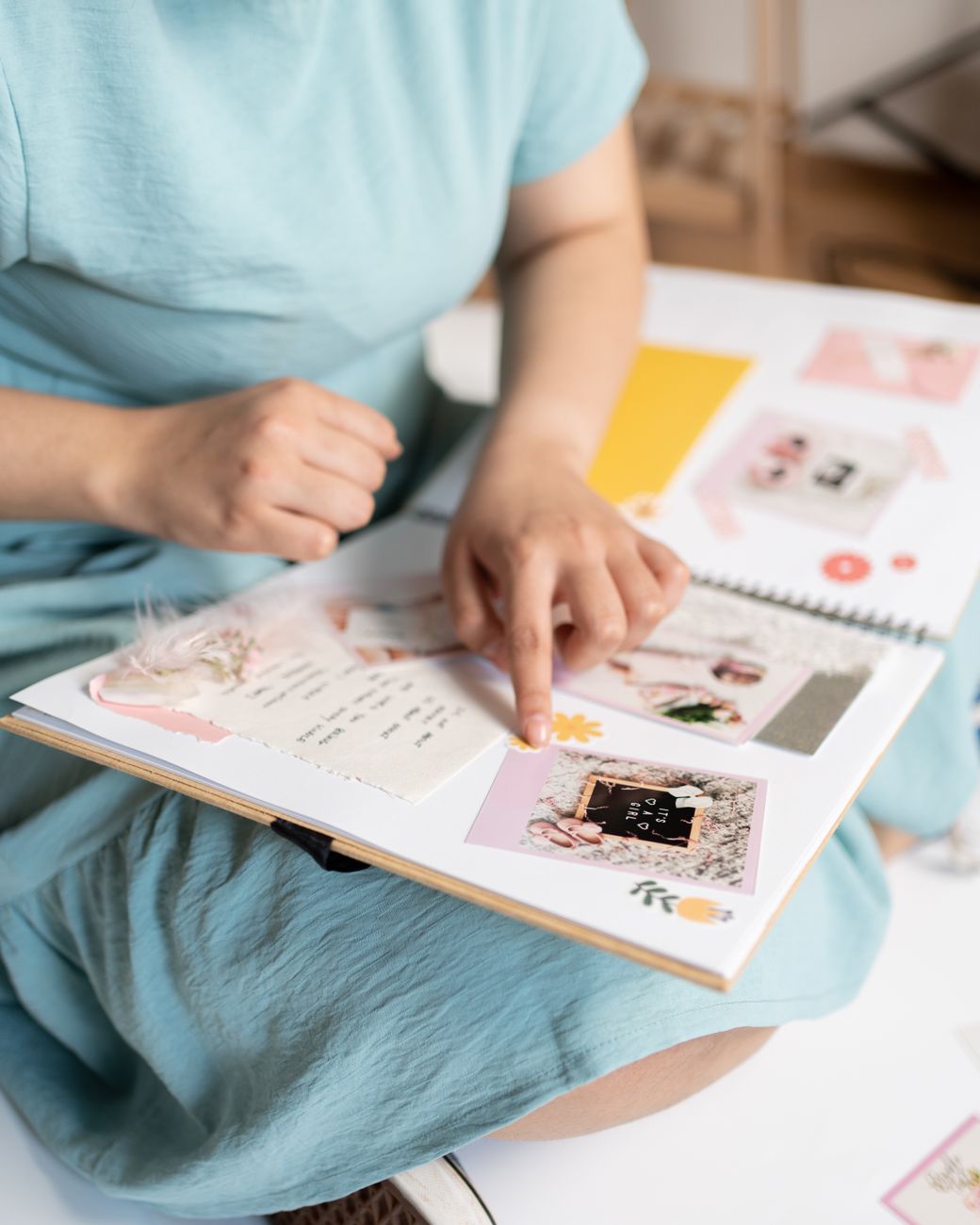
If you find it hard to let go of things like children’s drawings or baby clothes because of the memories, try taking clear photos of each one. You can save these photos in a digital album or print them in a small book. This helps you keep the memories while saving space. You can also put the items in a special box, label it with a date six months from now, and store it out of sight. If you don’t miss the items after that time, it will probably be easier to let them go.
Pass Items Along to Appreciative Hands
It can feel better to let go of sentimental things if you know someone else will enjoy them. For example, you could give a vintage item to a family member who would love it, or donate clothes to a charity where they’ll be put to good use.
Honouring the Past as Living in the Present
Letting go of sentimental things is never simple. It takes both time and emotional energy. But if you take time to process your feelings, ask yourself honest questions, and find ways to keep your favorite memories, you can clear space in your home without losing your tie to the past.
Your home should show who you are now and help you reach your future goals, not just hold onto the past. When you let go of things you don’t need anymore, you make room for peace, growth, and new memories.
Share this content:



3 comments