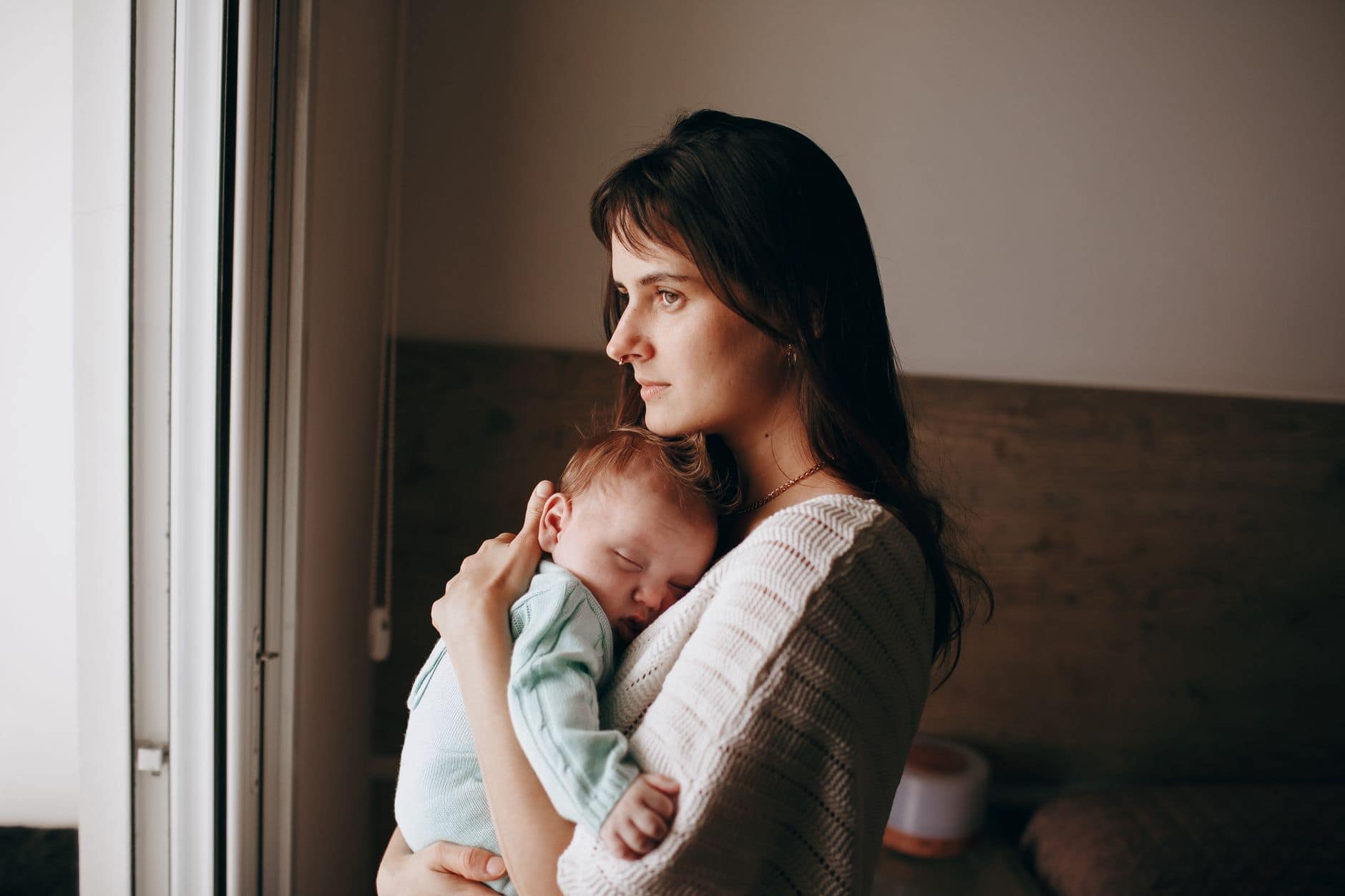
Postpartum Psychosis Is Not a Parental Failure: How Society Fails Mothers in Their Most Vulnerable Hour

Estimated reading time: 6 minutes
When news breaks about tragedies related to severe perinatal mental illness, such as the widely covered Massachusetts trial of Lindsay Clancy, a mother who faced a devastating mental health crisis after her third child, people often rush to judge. Online conversations quickly divide: some react with horror and blame the mother, while others, including mothers and maternal health advocates, share their own painful experiences and say things like “She needed help” or “That could have been me.”
Too often, we judge individual mothers and ignore the bigger issues that leave women feeling isolated, exhausted, and without treatment during the vulnerable postpartum period.
Postpartum psychosis (PPP) is not an ethical or character flaw, nor is it a lack of maternal instinct or a choice. PPP is a serious psychiatric emergency, similar to eclampsia or surgical complications, and affects about 1 to 2 out of every 1,000 births worldwide. Yet, instead of receiving immediate and early care, mothers with severe perinatal mental health issues are often let down by the very systems meant to support them.
1. The Mask of “Ideal Motherhood” and the Stigma of Asking for Help
From the moment a woman gives birth, society expects her to be completely selfless, joyful, and perfect. Mothers are supposed to handle sleep loss, physical recovery, baby care, and household tasks, all while looking happy.
This social pressure makes it much harder for mothers to seek help. Mothers with intrusive thoughts, severe anxiety, or early signs of psychosis often hide what they are experiencing because they are afraid. They worry about being seen as unfit or even losing their children to child protective services. When society teaches mothers that struggling means failing, it becomes frightening to ask for help. Real prevention means treating mental health as a normal and important part of postpartum care, and responding to psychological issues quickly and without stigma, just as we do for gestational diabetes or physical injuries.
2. Broken Healthcare Screening and the Failure of Early Intervention
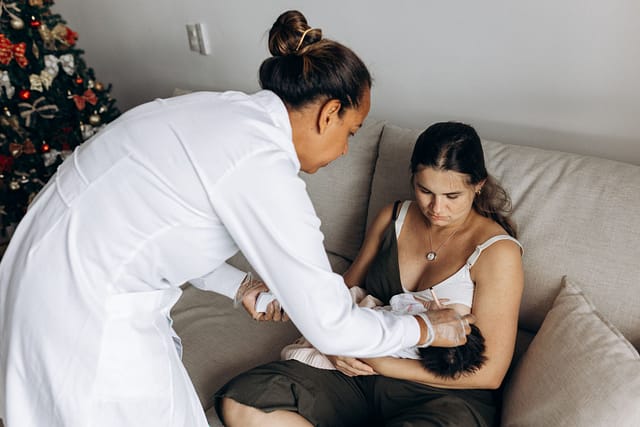
Our healthcare system often treats postpartum mental health as an afterthought. In many Western countries, routine care is limited to just one follow-up appointment six weeks after birth. This creates a big gap in support during the time when serious mood and anxiety disorders are most likely to happen.
Standard screening tools often catch mild depression but miss signs of worsening mania, severe agitation, or command hallucinations. Many healthcare providers are not trained to tell the difference between normal baby blues, severe depression, and sudden psychosis. When mothers speak up about feeling overwhelmed, they are often told to “get more rest” or given a prescription, but they rarely get ongoing psychiatric care.
3. Structural Isolation and the Erasure of Community Support
Modern society has removed much of the community support that once helped raise children. Many mothers now have to handle early parenthood alone, without extended family, paid family leave, or enough time to recover before returning to work, especially if they do not have maternity insurance.
Extreme sleep loss is a well-known trigger for mania and psychotic episodes, especially in women who are already at risk. When new mothers are left alone to cope with little sleep, changing hormones, and nonstop caregiving without support, it creates serious health risks.

What Studies Are Saying About (PPP)?
Research by Osborne (2018) shows that postpartum psychosis is a true psychiatric emergency that needs immediate hospitalization and treatment. The Cleveland Clinic also notes that it is a fast-developing condition caused by sudden hormonal changes, severe sleep loss, and chemical imbalances in the brain. Symptoms can quickly shift between severe anxiety, mania, and delusions. This means a mother might seem fine one moment and then have serious hallucinations the next, making it very hard to detect without ongoing expert care.
The Socio-Ecological Gap in Recovery:
A study by the MGH Center for Women’s Mental Health using the Socio-Ecological Model found that medical treatment alone is not enough for recovery from postpartum psychosis. The research shows that society-wide actions, like community awareness campaigns to reduce stigma, required training for providers, accessible mother-baby psychiatric units, and policies such as paid family leave, are all important for preventing tragedies and supporting mothers’ health.
The Inadequacy of Standard Perinatal Screening
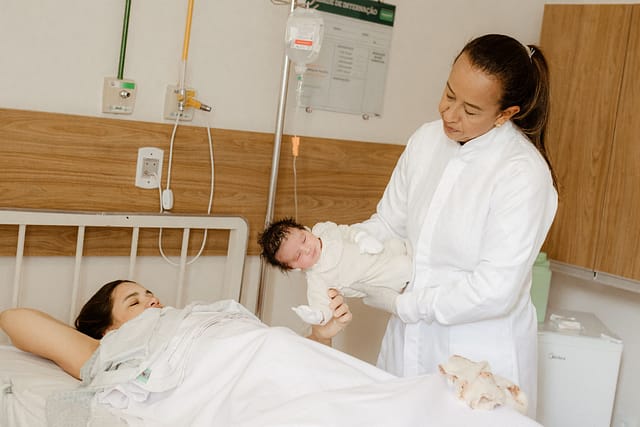
Researchers at the University of New Brunswick show that current healthcare systems often do not give mothers with acute psychotic symptoms the timely support they need. The data points to a serious lack of specialized perinatal mental health units, leaving families with few options during a crisis.
Reclaiming the Narrative: Support, Not Silence
Cases like Lindsay Clancy’s should be a wake-up call, not a reason for online judgment. When a mother has a severe psychiatric crisis after childbirth, it is a tragedy caused by failures in both medical care and society.
We need to create a world where mothers do not have to hide their pain to prove they love their children. Systemic healthcare reform is needed, including required mental health training for all OB-GYNs and pediatricians. accessible mother-baby psychiatric care, strong paid parental leave, and a caring culture where asking for help is seen as an act of real courage.
If you or someone you know needs support, you are not to blame, and immediate help is available. Use the health contact information below to speak to professionals.
In Canada 🇨🇦
- Suicide & Crisis Helpline: Call or text 9-8-8 anytime (24/7, free, bilingual English/French) for immediate crisis intervention across all provinces and territories.
- Health Information & Triage Line: Call 8-1-1 anywhere in Canada to speak with a healthcare professional (registered nurse or social worker).
- Postpartum Support International (PSI Canada): Call 1-800-944-4773 (Press 2 for English, 1 for Spanish) or text 954-204-0223 to reach Canadian coordinators who can connect you with local peer support groups.
- Pacific Post Partum Support Society: Call or text 1-855-255-7999 (Monday–Friday) for free, compassionate peer support for parents navigating postpartum anxiety, depression, and psychosis.
- Hope for Wellness Helpline: Call 1-855-242-3310 for 24/7 culturally competent support available to all Indigenous persons across Canada.
In the United States 🇺🇸
- National Maternal Mental Health Hotline: Call or text 1-833-TLC-MAMA (1-833-852-6262) for free, confidential, 24/7 support in English and Spanish from trained counsellors.
- Suicide & Crisis Lifeline: Call or text 9-8-8 for 24/7 immediate mental health crisis intervention.
- Postpartum Support International (PSI US): Call or text 1-800-944-4773 or visit postpartum.net to connect with state coordinators, local support groups, and clinical resources.
Emergency Care
If you or someone you know is experiencing an acute psychiatric emergency, command hallucinations, or thoughts of self-harm or harming others, please call emergency services (911) or go to the nearest hospital emergency department right away.
Share this content:





1 comment