
Why Every Mom Needs a Village? And How to Build One?

There is a specific kind of loneliness that only a mother understands. It’s the feeling of being completely overwhelmed by a tiny, beautiful human while sitting in a quiet room, wondering if anyone else on the planet is awake, crying, or struggling to figure out how a car seat works.
We’ve all heard the old proverb, “It takes a village to raise a child.” But when you bring that baby home, no one hands you a map to the village. In fact, modern motherhood can feel incredibly isolating.
Table of contents
Estimated reading time: 5 minutes
If you are feeling lonely right now, please hear this: It is not you. It is how our world is set up.
According to data compiled by the Mental Health Foundation, a staggering 57% of women report feeling lonelier after becoming a mother. Isolation isn’t just an unpleasant feeling-it is a heavy weight that directly impacts our well-being. Let’s look at why finding peer support is a psychological necessity and how we can find our people without the social anxiety.
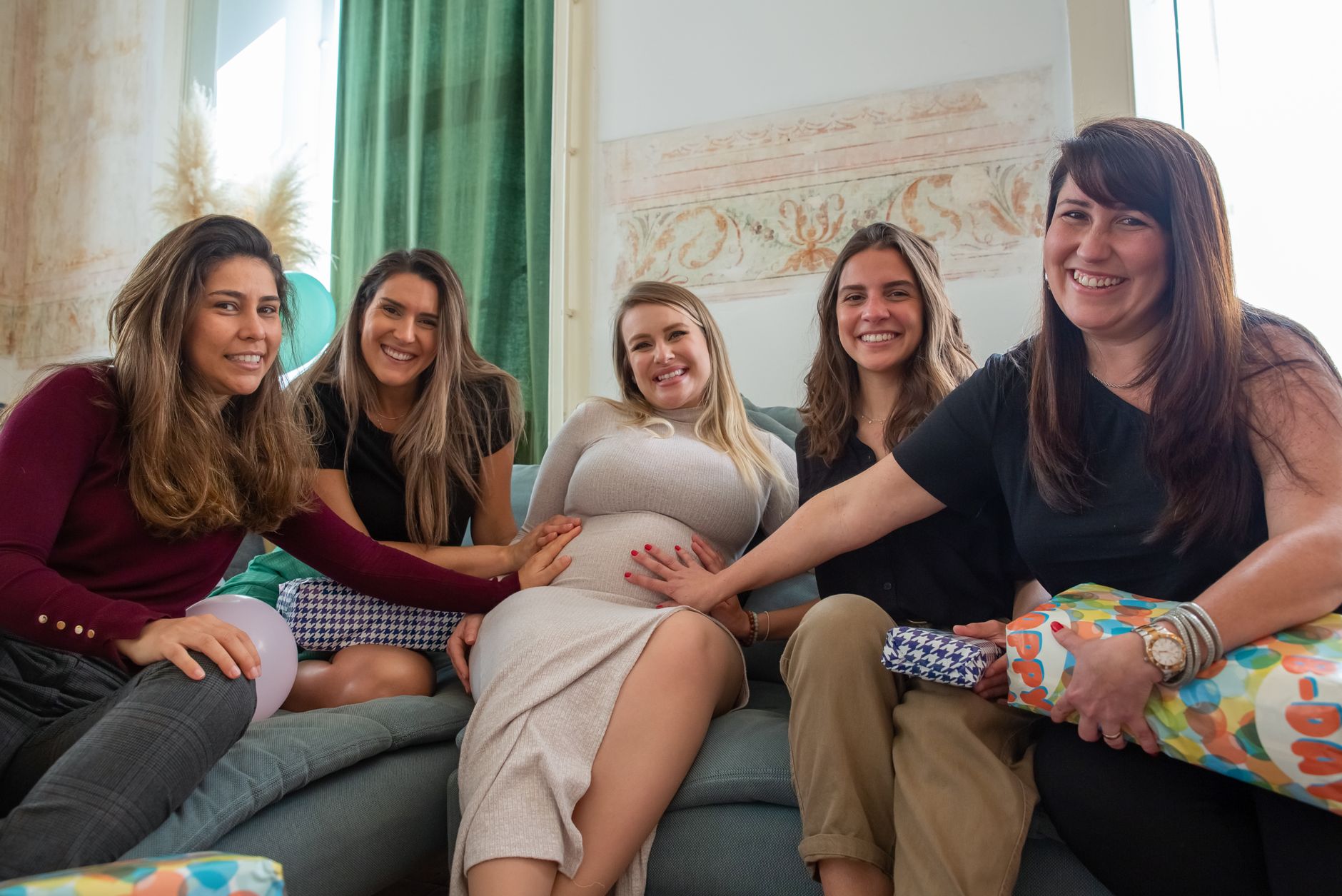
The Science of Why You Need Mom Friends
The journey of making friends with other mothers is often approached as a luxury or a leisurely pursuit. Something to be tackled once the laundry is folded or when the children have grown a bit older. However, this perspective overlooks a vital truth: peer support among mothers is not just beneficial; it can be a critical element of mental health and emotional well-being. Clinical research published by the National Institutes of Health reveals that engaging in structured peer support interventions can lead to a significant decrease in symptoms of depression and anxiety for mothers. These connections not only promote shared understanding and friendship but also foster resilience and improve overall quality of life.
Why does connecting with another mom have such a profound impact on our brains?
- Validation Over Diagnosis: A doctor can give you medical advice, but a fellow mom gives you validation. Hearing someone say, “My toddler refused to eat anything but cheese slices today too,” instantly lowers your cortisol (stress) levels.
- The Power of Lived Experience: Research shows that peer support can provide a level of understanding and empathy that you often don’t get from regular healthcare professionals. When you talk to someone who has actually been through similar struggles, it feels more genuine and relatable. They get it in a way that someone who hasn’t experienced it might not. This kind of connection helps remind us that it’s perfectly okay to feel a mix of emotions, like overwhelming joy one moment and total exhaustion the next. These ups and downs are part of being human. When we share our stories and feelings with others who have been through similar experiences, we can find comfort and validation. It not only helps us feel less alone but also strengthens our sense of community.
- Overcoming the “Bad Mom” Stigma: When we feel alone in our parenting journey, it’s easy for the nagging voice inside us to whisper that we’re not doing enough. It tells us we’re failing, that others have it all figured out, and we’re just not measuring up. But when we open up and share our experiences with other parents, it can really change things. We can break down those unrealistic expectations and support one another in the journey of parenting.
Low-Pressure Ways to Build Your Village
The hardest part of building a village is the initial awkwardness. Asking another mom for her number at a park can feel like dating all over again. To bypass that social anxiety, try these low-pressure, realistic strategies.
1. Let the Tech Do the Heavy Lifting

If starting a conversation with a fellow mother at the park gives you hives, start digitally.
- Peanut App: Think of it like a matchmaking app, but purely for neighbourhood mom friends. You can “filter by your kids’ ages and your own personal interests (like hiking, reading, or gardening).
- Local Facebook Groups: Search for groups specifically titled “Moms of Your neighbourhood/City”. These are goldmines for local stroller walks, clothing swaps, and playdate meetups.
2. The “Frequent Flier” Strategy at Local Parks
You don’t have to walk up to a group of moms and pitch a friendship. Instead, rely on proximity and routine. Pick a local park or community playground and go at the exact same time each week. Eventually, you will start seeing the same parents. Familiarity naturally breeds casual conversation. Start small: “Your little one is so fast! How old are they?” Let the kids be the icebreaker.

3. Seek Out Free Community Programming
Structure removes awkwardness. When you attend a structured event, you already have a shared purpose, which takes the pressure off making small talk.
- Library Story Times: Almost every public library offers free weekly infant and toddler story hours.
- Community Center Drop-Ins: Check your local community centers for indoor play spaces or family gym times, especially during colder months.
A Gentle Reminder: Start Small
You do not need an army of fifty; you don’t have a village. True, healthy peer support is about quality, not quantity. All it takes is one person who answers a text at 2:00 AM, or one friend who doesn’t care if your living room is a disaster area when she drops by.
Be patient with yourself, mama. Put yourself out there in tiny, manageable steps. Your village is waiting for you, and you deserve to let them in.
Share this content:




Leave a Reply